

Get Colonoscopy by
Dr. Muhammad Ali Qadeer
Consultant Gastroenterologist & Interventional Endoscopist
- Comfortable and safe procedure
- Accurate diagnosis with complete privacy
- Helps protect against colon cancer
- Identifies polyps at an early, treatable stage

What is a Colonoscopy?
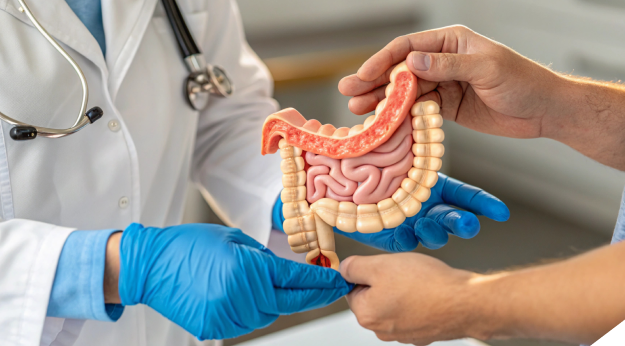
A colonoscopy is a procedure that allows the doctor to examine the large intestine using a flexible endoscope. It allows the diagnosis and treatment of various gastrointestinal diseases such as inflammatory bowel disease, infection, ulcers, and colon polyps. It is also used as a tool for the detection and prevention of colon cancer.
Dr. Muhammad Ali Qadeer provides expert colonoscopy services to its patients with precision and accuracy.
How to Prepare for a Colonoscopy?
To make a colonoscopy effective, your colon must be empty. Otherwise, the test will be unsatisfactory and may need to be repeated. You should take the following measures:
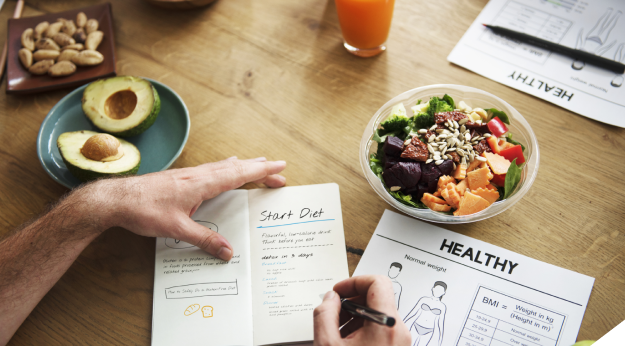
Diet
You should only drink clear liquids (water, clear juices, broth, back-tea, black-coffee, jell-o) 24 hours before a colonoscopy. Avoid all solid foods and dairy products. All this ensures that little or no stool remains in your large intestine.
Bowel Preparation
Bowel preparation may be a combination of pill, liquid, or powder laxatives (such as PEG or Movcol). Your gastroenterologist prescribes them, and they help to prepare the bowel for a colonoscopy. The aims to make sure your large intestine is as clean and clear as possible for your colonoscopy. Dosage and frequency of the colonoscopy solution will be guided by your physician. The bowel prep will cause diarrhea, which means that your bowel is adequately prepared.
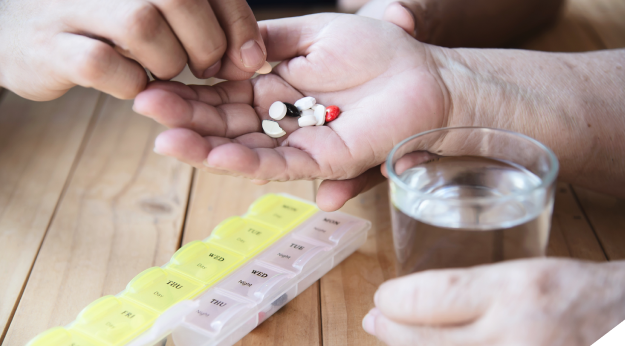
Medication Adjustments
If you are on medications, discuss with your doctor before a colonoscopy, so that your health and the colonoscopy are not affected. Essential medications can usually be taken with a small sip of water.
Transportation
For safety reasons, arrange for a ride home after the procedure, as the sedatives or anesthesia need time to wear off before you can drive.
Tips for Comfort
Chill the bowel prep solution so that it tastes better. Drink water and other fluids to keep yourself hydrated. It is normal to feel any cramps, bloating, or nausea, so you don’t have to worry.
What Happens During The Procedure?
Your blood pressure, heart rate, and oxygen levels will be monitored after the procedure. You will be advised to rest for at least an hour. You may feel bloated due to air left in your bowel, but this will pass once you start walking. Your doctor will inform you about the results of the procedure, and you will be discharged once you are ready. You can usually start eating whatever you can tolerate after the procedure. Contact your specialist if you experience any of the following:
- Fever or chills
- Frequent, bloody stools
- Belly pain or swelling
- A hardened belly
- The inability to pass gas
Points to Consider:
- Proper bowel preparation is essential for clear, accurate colonoscopy results.
- If the bowel is not fully cleaned, the procedure may need to be postponed for your safety and accurate evaluation.
- Please get in touch with your gastroenterologist if you have any questions about medications, existing medical conditions, or preparation instructions.
What Happens During The Procedure?
You will be given sedation/anesthesia before the start of the procedure. The gastroenterologist will examine the colon and may take biopsies, or remove polyps if needed. You may feel some pressure or mild cramping during the procedure.The procedure usually lasts for 30–40 minutes.
Frequently Asked Questions
Who should get a colonoscopy?
Colonoscopy is suggested if you are around age 45, or if there’s a family history of colon cancer or digestive diseases. It’s also recommended if you experience rectal bleeding, chronic diarrhea, constipation, or unexplained abdominal pain.
What are the possible complications of colonoscopy?
Colonoscopy is generally a safe procedure. Possible complications are uncommon but may include bleeding, especially at biopsy or polyp removal sites, and perforation (a tear in the bowel wall). When performed by an experienced specialist, the risks are low, and the procedure is considered safe.
Do you stay awake during a colonoscopy?
Colonoscopy is usually performed under sedation to keep you comfortable. In most cases, you will be asleep and will not feel or remember the procedure.
Is colonoscopy a painful procedure?
Colonoscopy is not a painful procedure because sedation is used during the procedure. But you might feel a little bloated or pressured when the colonoscope travels into your colon.